Overview
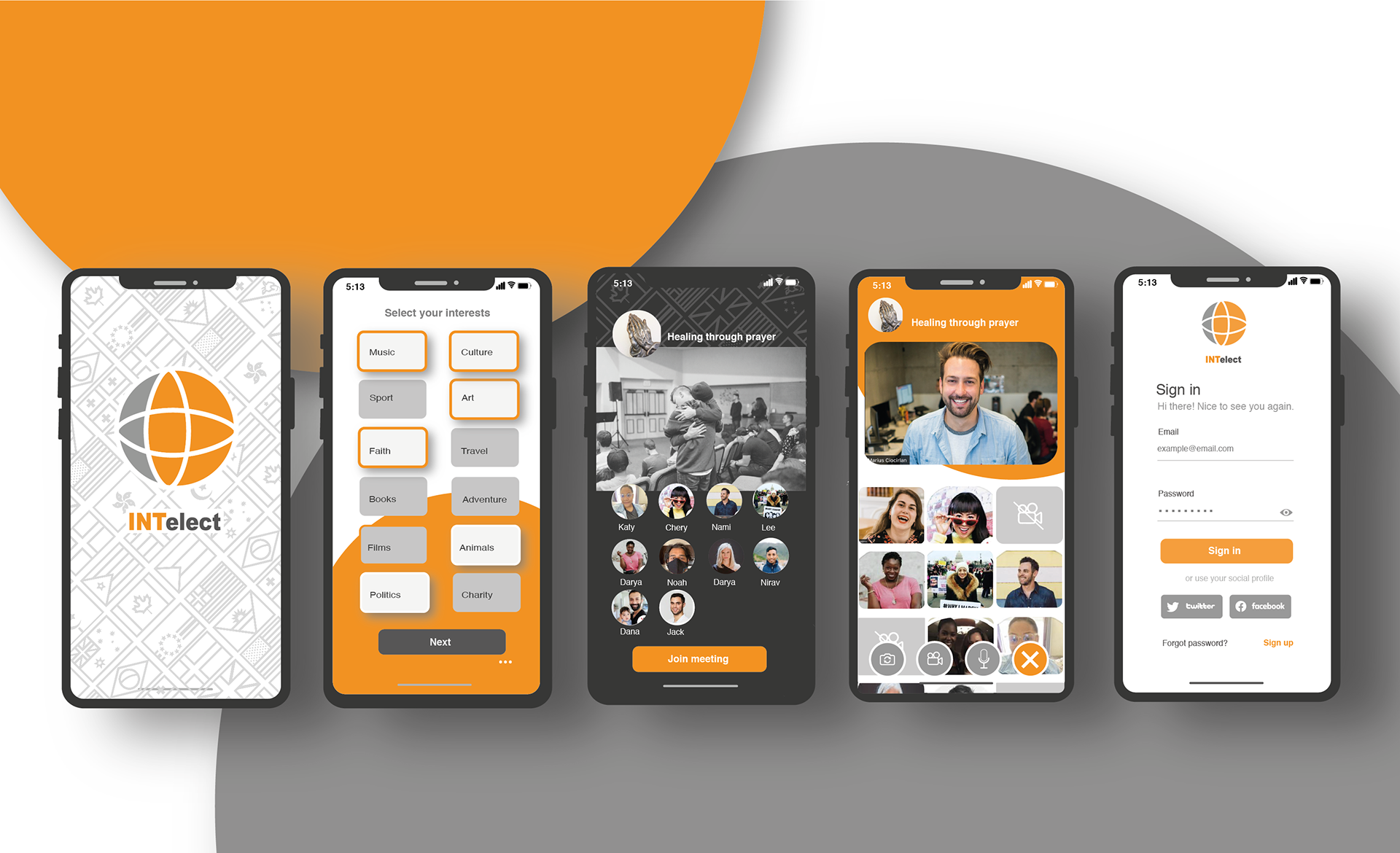
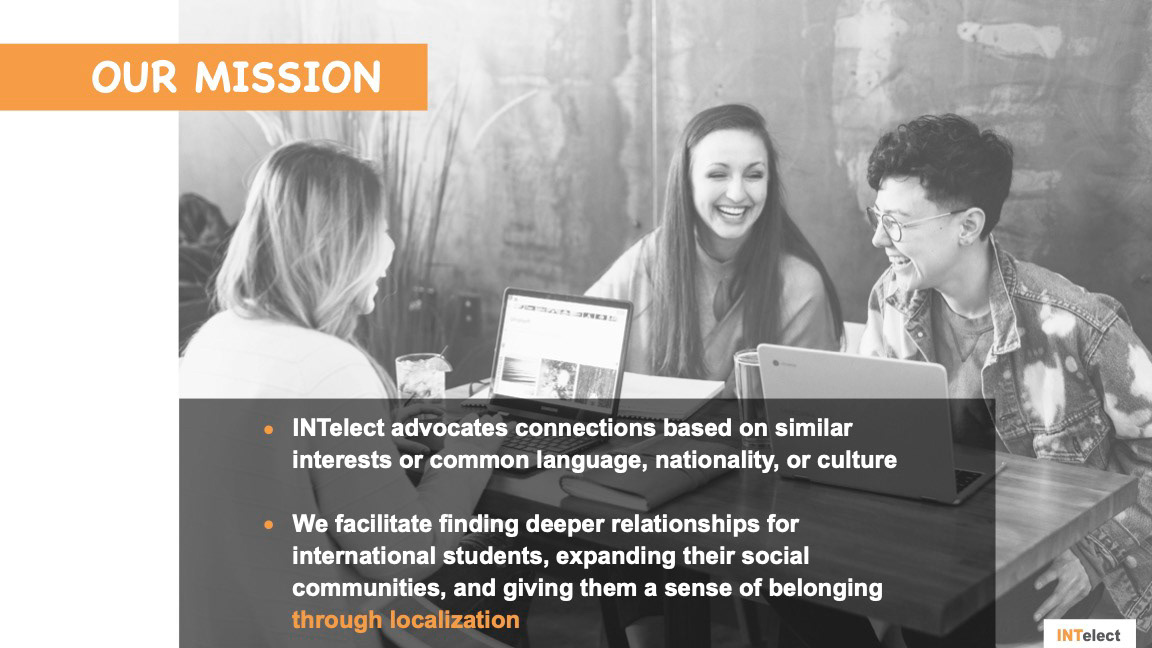
INTelect is a mobile-first social networking application created to help international students navigate the academic, cultural, and personal challenges of studying abroad. The platform connects students to local communities, essential resources, and peers with shared language, culture, or interests—helping them feel supported and less isolated during their transition.
* The concept was inspired by my own experience as an international student in the U.S., where I encountered challenges that are rarely discussed before immigration but deeply affect daily life.
The Problem
While studying abroad offers immense personal and academic growth, international students often face significant barriers once they arrive in a new country. These challenges go beyond academics and include emotional, social, and logistical struggles that can lead to isolation, stress, and anxiety.
Research highlighted recurring pain points such as:
• Language and communication barriers
• Difficulty adapting to academic culture
• Social isolation and lack of belonging
• Culture shock and mental health strain
• Financial uncertainty and housing challenges
• Difficulty accessing essential local information
Despite their large contribution to the U.S. economy and education system, international students often lack a centralized, student-focused support network.
The Solution
INTelect was designed as a localized, community-driven platform that helps international students:
• Access essential information (housing, transportation, banking, insurance, food)
• Connect with peers based on shared language, culture, or interests
• Build virtual and in-person social networks
• Discover cultural, educational, and religious centers nearby
The goal was not just information delivery, but emotional support and belonging through human connection.
My Role
• UX Designer & Product Designer
• Research, UX strategy, interaction design, and visual design
• Concept development, flows, wireframes, and high-fidelity UI
• Storytelling and presentation for stakeholders
Design Process
I followed a human-centered design approach, grounded in empathy and real-world context:
1) Problem framing & research
Synthesized lived experiences, secondary research, and peer interviews with international students.
Synthesized lived experiences, secondary research, and peer interviews with international students.
2) Ideation & concept development
Explored how localization, shared identity, and social discovery could reduce isolation.
Explored how localization, shared identity, and social discovery could reduce isolation.
3) User flows & IA
Designed onboarding, interest selection, community discovery, and resource access flows.
Designed onboarding, interest selection, community discovery, and resource access flows.
4) UI & interaction design
Focused on clarity, warmth, accessibility, and emotional comfort.
Focused on clarity, warmth, accessibility, and emotional comfort.
5) Validation & iteration
Refined flows and content hierarchy based on usability feedback and clarity testing.
Refined flows and content hierarchy based on usability feedback and clarity testing.
Key Features
• Resource Center
Centralized access to housing, transportation, food, banking, insurance, and daily needs.
Centralized access to housing, transportation, food, banking, insurance, and daily needs.
• Geo-targeted discovery
Local cultural, educational, and religious organizations surfaced based on location.
Local cultural, educational, and religious organizations surfaced based on location.
• Interest & culture-based matching
Connect users by language, nationality, culture, or shared interests.
Connect users by language, nationality, culture, or shared interests.
• Community spaces
Virtual groups and events to foster social connection and belonging.
Virtual groups and events to foster social connection and belonging.
• Employer & sponsor visibility
Platform for companies and organizations seeking international students for internships or jobs.
Platform for companies and organizations seeking international students for internships or jobs.
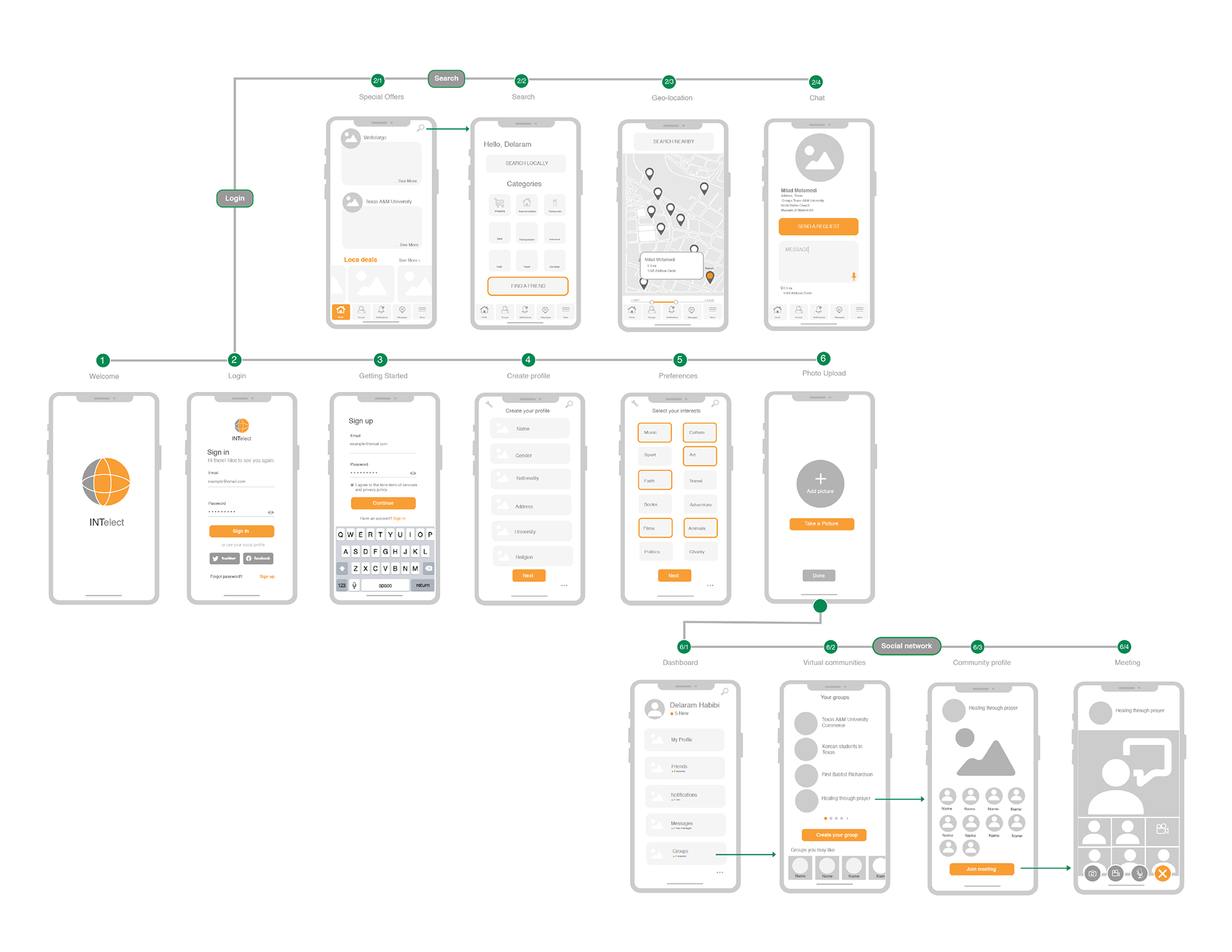
End-to-end user flow illustrating onboarding, profile creation, preferences, and social discovery within the INTelect platform.
Business Model (High-Level)
• Free for students
• Revenue through:
• Sponsored listings and advertisements
• Local partnerships
• Premium placements for organizations and institutions
Designed to scale across universities, communities, and regions.
Reflection
INTelect is deeply personal work for me. It represents how UX can move beyond usability into care, empathy, and social impact. This project reinforced my belief that well-designed digital experiences can ease transitions, reduce isolation, and meaningfully improve people’s lives—especially in education-focused spaces.
Impact & Relevance
• International students contributed over $40B to the U.S. economy (2019)
• Supported ~460,000 jobs nationwide
• Represent 5.5% of the total U.S. student population
• Contribute nearly 30% of public university tuition revenue
Despite this, support systems remain fragmented—INTelect addresses that gap with a student-first approach.
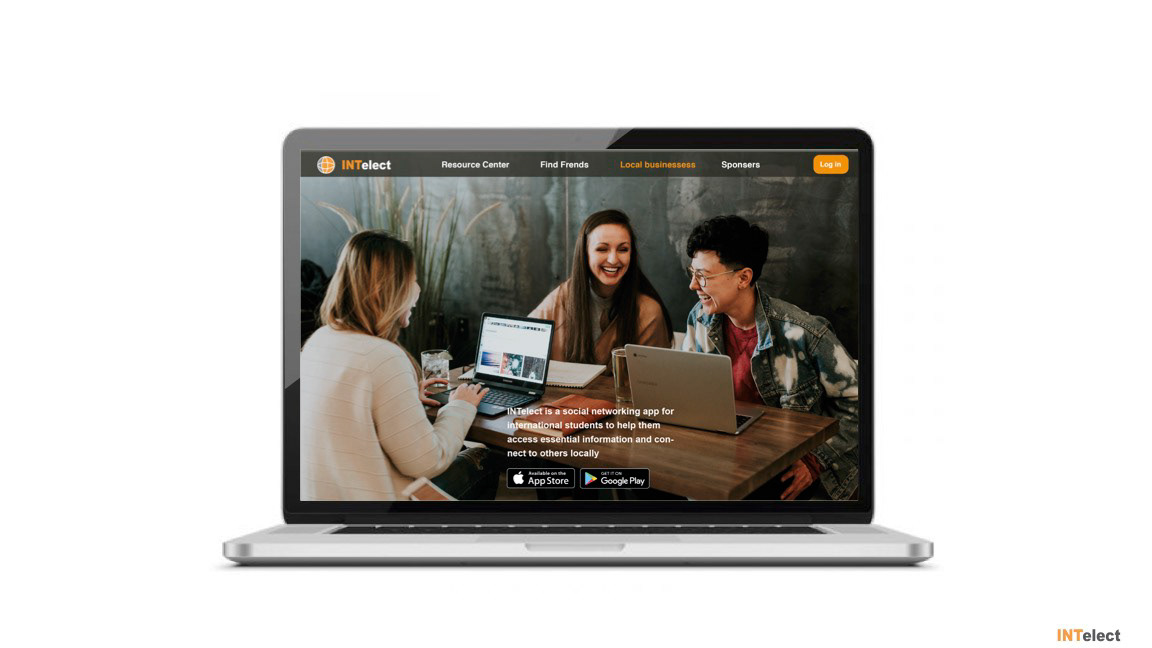
INTelect is designed as a scalable, mobile-first platform, with plans to expand into a full web application to support broader access and growth.